
Healthy Eating
Why We Avoid Seed Oils
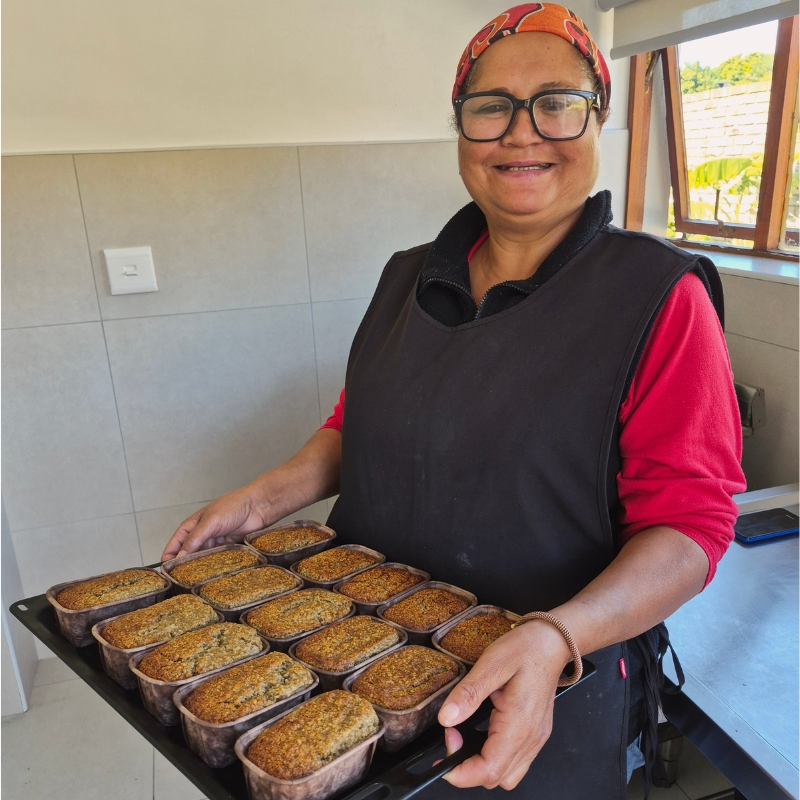
Seed oils show up in more baked goods than most people realize – often quietly, as the cheapest way to add fat and moisture to a recipe. Here’s why we chose a different route.
What seed oils are, and why they’re everywhere
Seed oils – think sunflower, canola, soybean, and similar – are popular in commercial baking because they’re inexpensive and shelf-stable. That combination makes them an easy default for mass-produced products, even ones marketed as “healthy.”
The trouble is what happens to them under heat. Seed oils are chemically less stable than more saturated fats, and baking is exactly the kind of high-heat process that can cause them to oxidize and break down. Some research links regularly consuming oxidized oils to increased inflammation in the body, though – like most nutrition research – this is an area where the science continues to develop rather than being fully settled.
What we use instead
We bake with coconut oil. It’s more stable under heat, holds its structure well in baking, and gives our products a richness that doesn’t rely on a highly processed ingredient to get there. It’s a small swap on paper, but it’s one of the clearest examples of a decision we made deliberately rather than defaulting to the cheapest option.
We’re not claiming seed oils are dangerous
We want to be careful here: this isn’t a claim that seed oils are unsafe or that anyone using them is doing something wrong. Plenty of respected nutrition guidance still includes seed oils as part of a balanced diet, and the “seed oils are toxic” claims that circulate online often go further than the actual evidence supports. Our position is more modest – when there’s a more stable, less processed alternative available, and it doesn’t cost us the quality of the final product, we’d rather use that.
The bigger picture
This is really one piece of a wider approach: gluten-free oats, organic ingredients where we can source them, no refined sugar spikes, and now, no seed oils. None of these decisions alone is dramatic. Together, they add up to a very different product than what you’d typically find on a supermarket shelf.